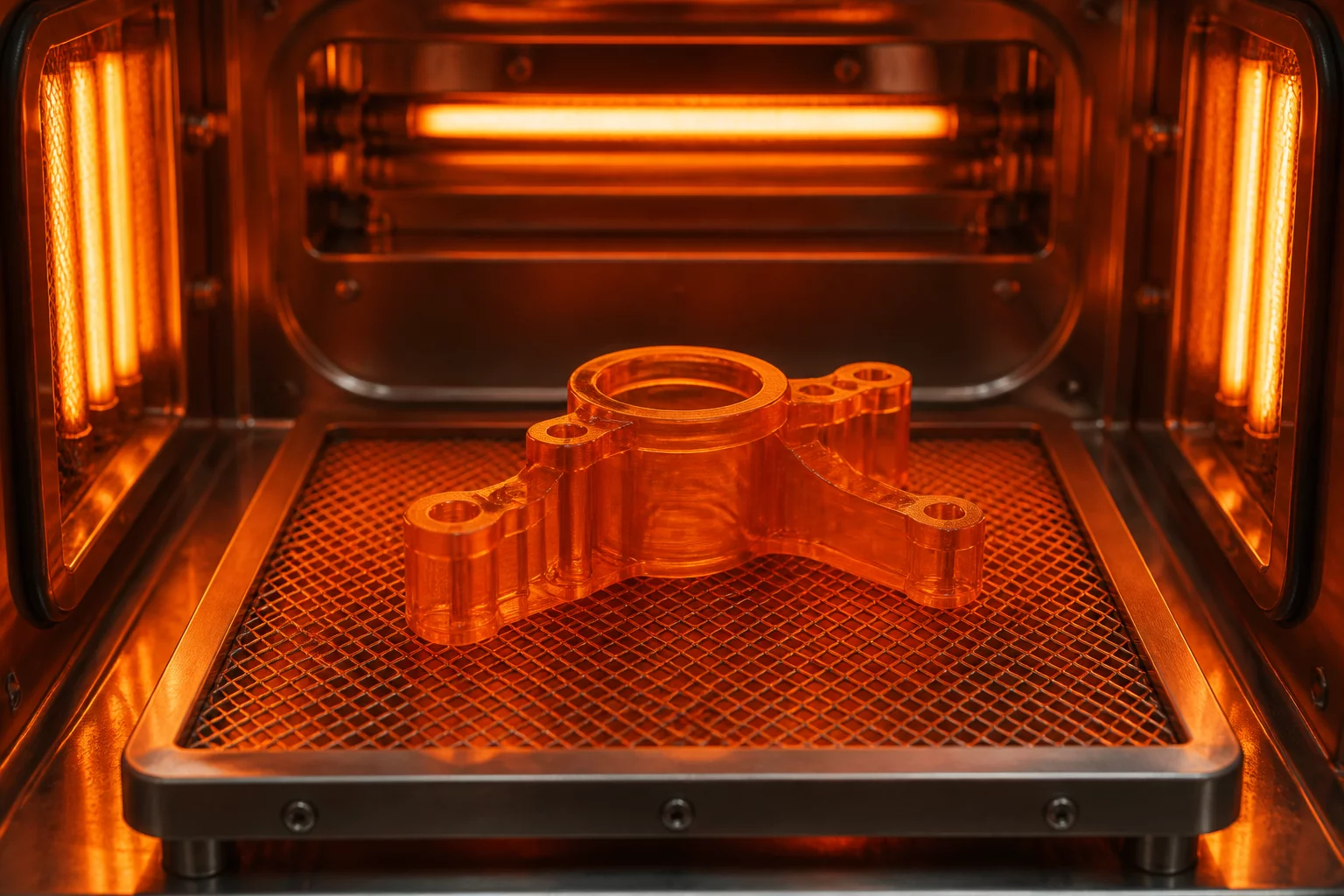
Use clear criteria for fine features, surfaces, fragile areas, consistency, and functional expectations.
Access our comprehensive guides, checklists, and criteria to accurately evaluate and inspect cured resin parts before final acceptance.
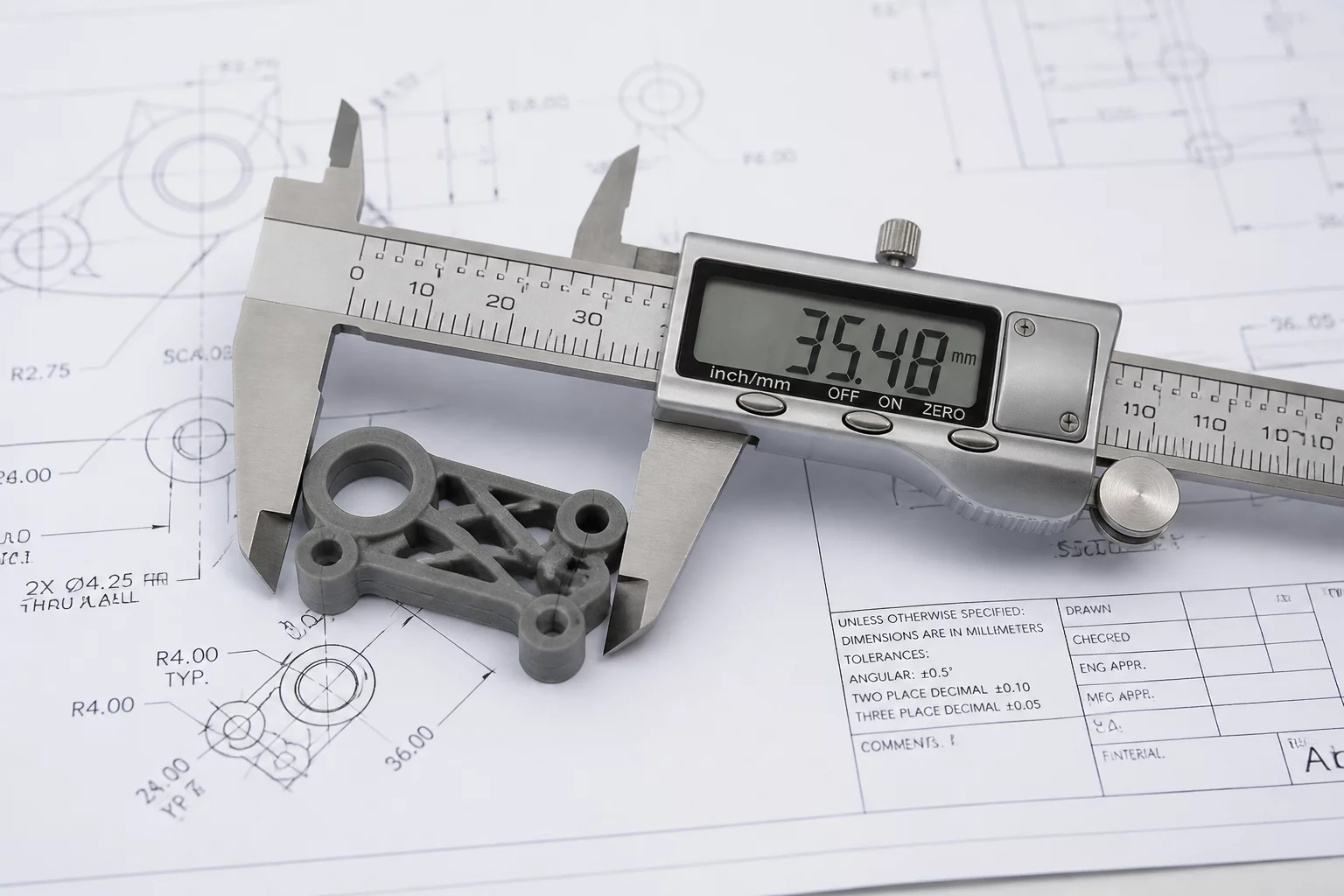
Establish clear, objective criteria for evaluating cured resin parts prior to final quality approval.
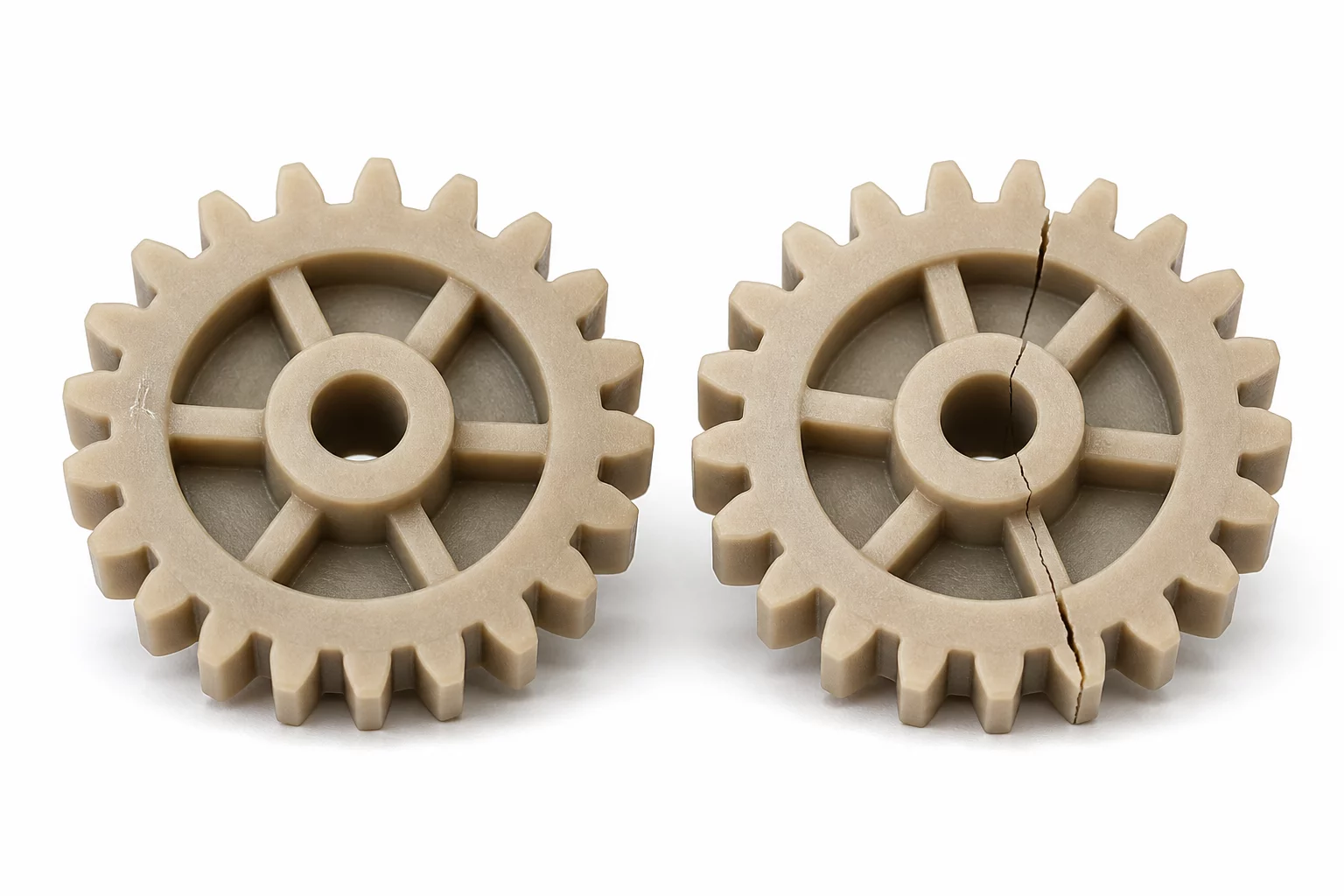
Distinguish non-critical cosmetic blemishes from severe functional defects affecting mechanical performance.
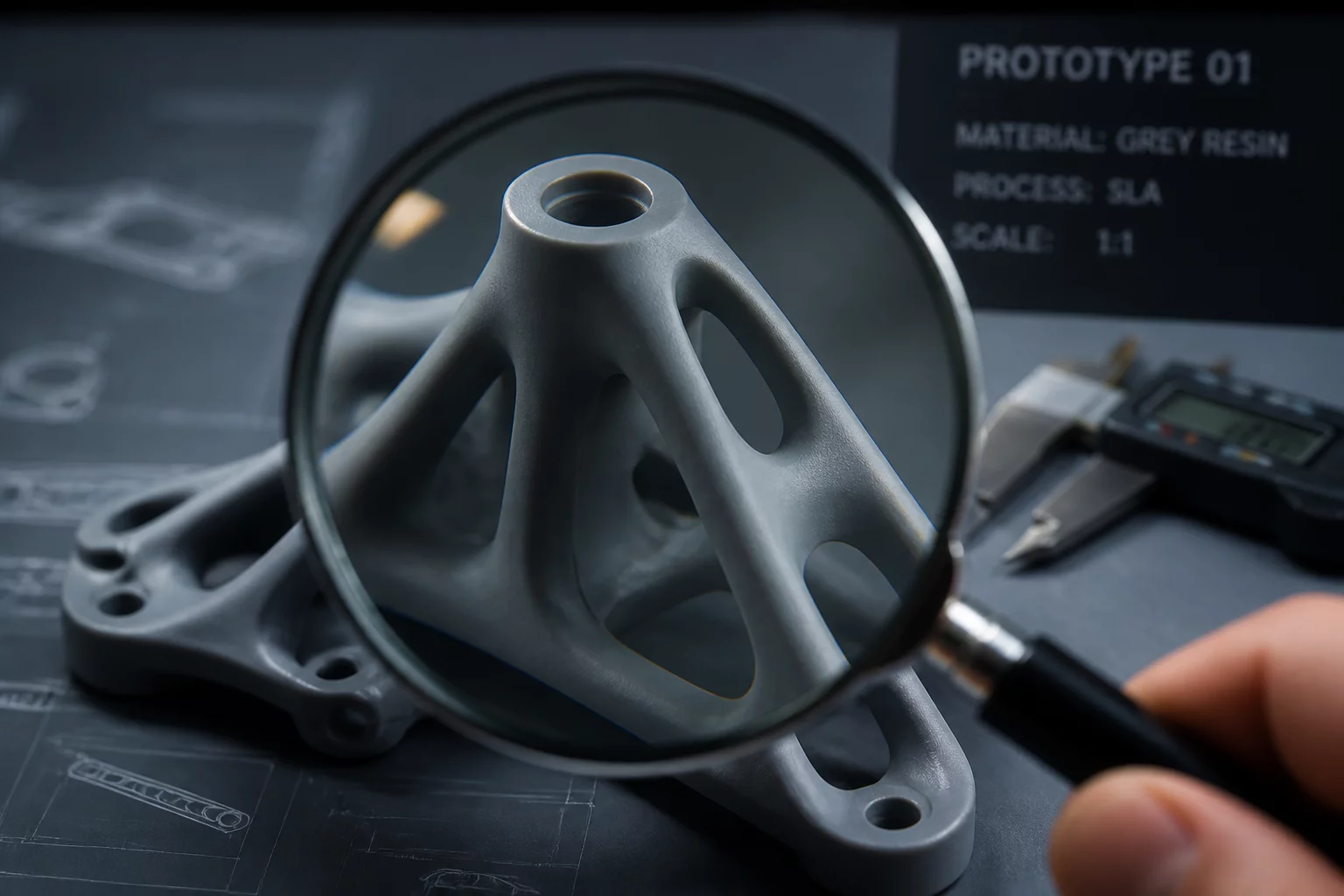
Standardize terminology used to describe surface finishes, textures, and anomalies on resin prints.
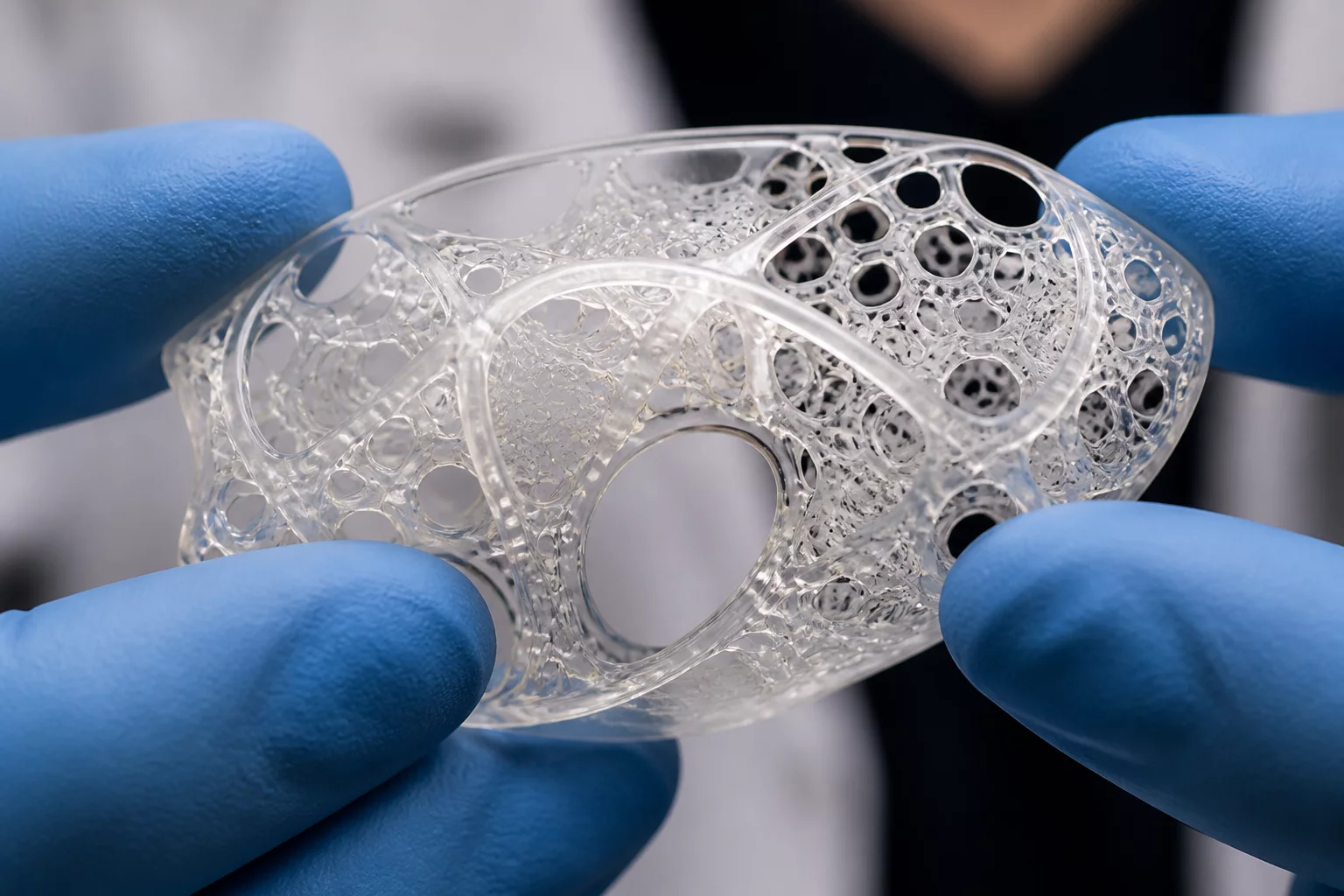
Guidelines on handling, post-processing, and handing off fragile resin parts without causing cracks or structural failures.
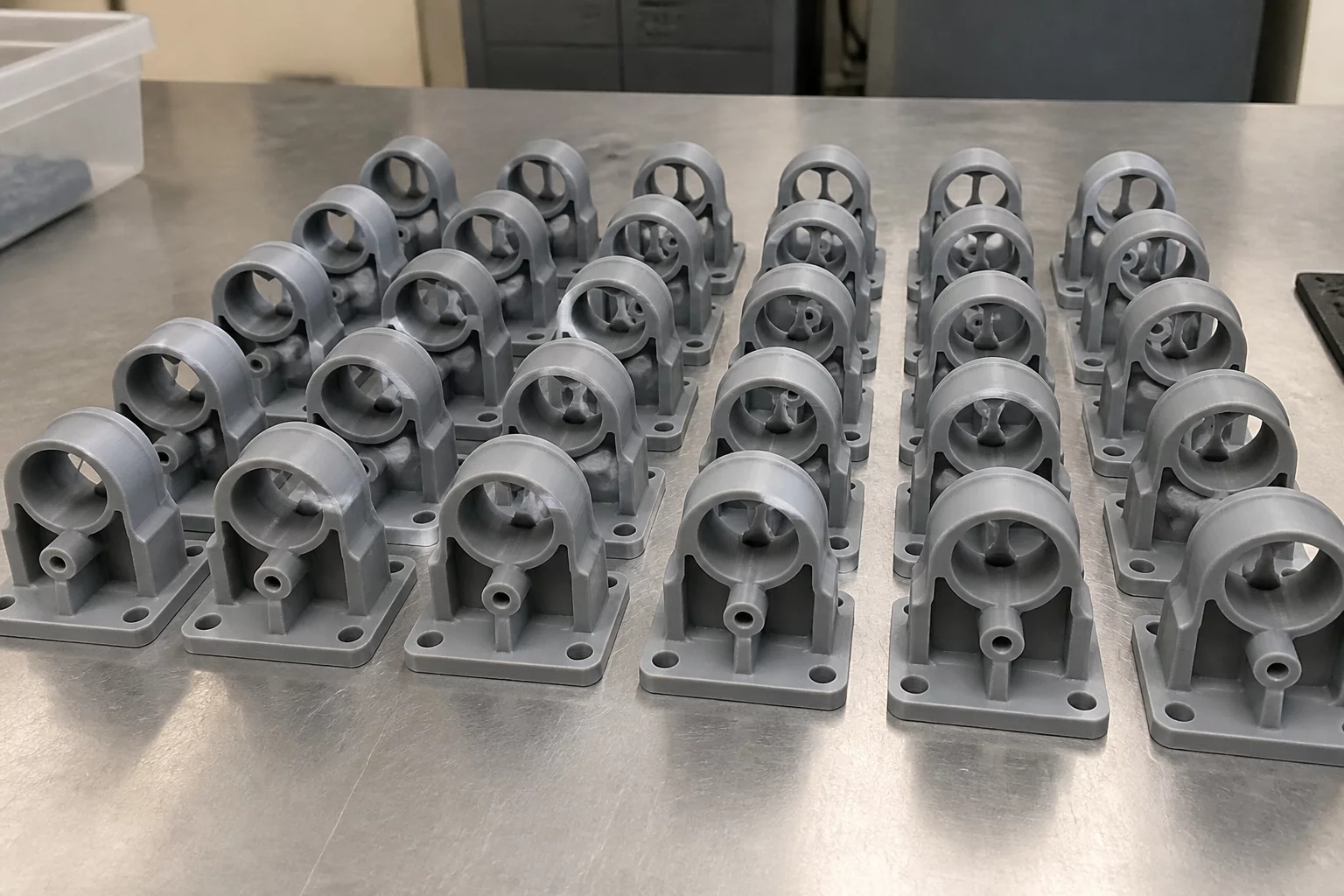
A step-by-step checklist to ensure dimensional, mechanical, and cosmetic consistency across multiple print runs.
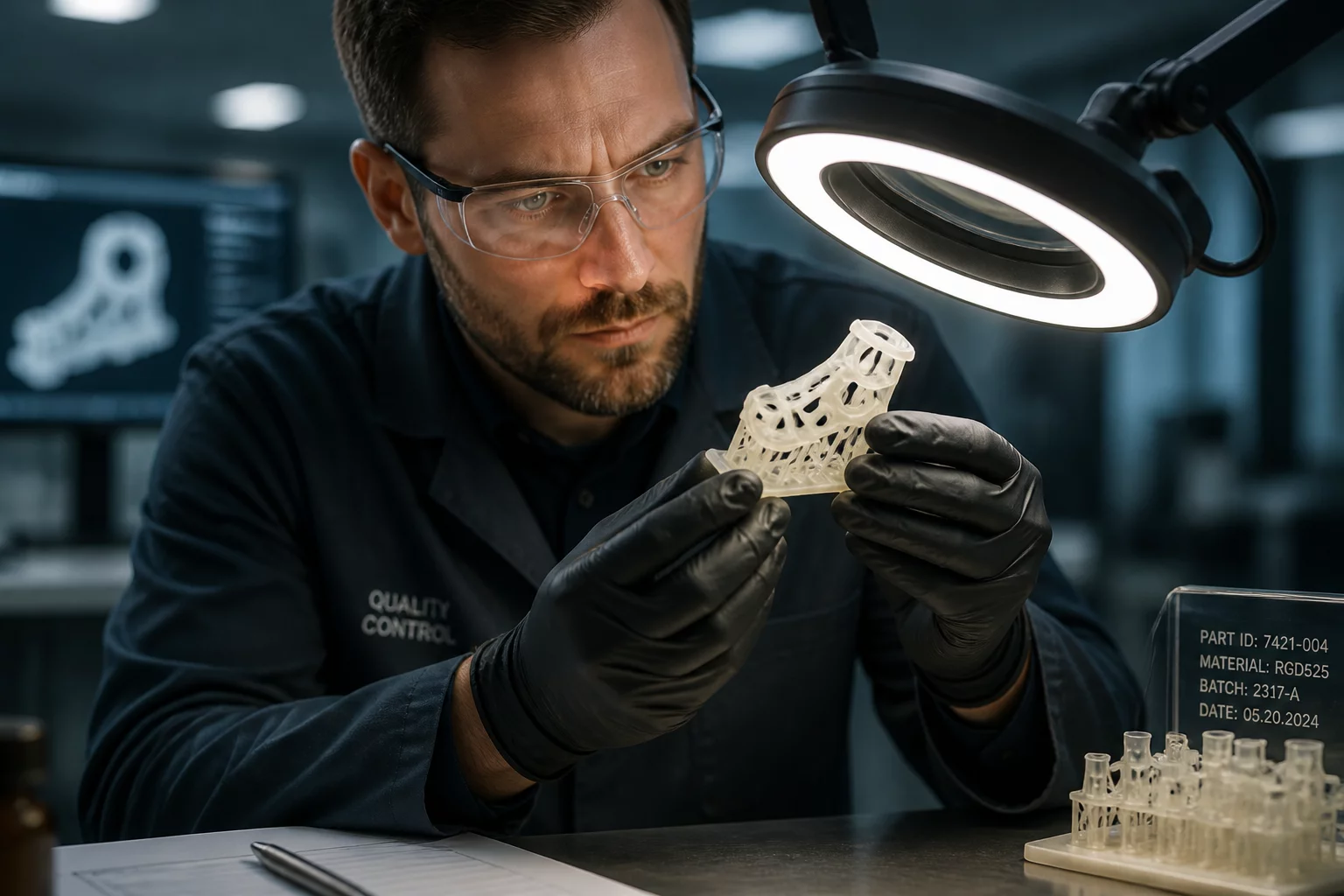
Guidelines on identifying when environmental changes, printer drift, or material updates necessitate a secondary validation run.
Select your current printing volume and failure rates to see the immediate impact of operating without standardized resin acceptance criteria.
12.0 hrs
Spent on manual post-processing, arguing over defects, and preparing reprints.
1.1 L
Lost to scrapped prints, excessive support structures, and unviable parts.
2.6 Days
Subjective decisions create circular validation loops. Without pre-defined parameters, parts undergo repeated cycles of printing and rejection, delaying assembly and shipping schedules.
Get an exclusive look at the workspace, equipment, and specialists defining the next generation of resin 3D printing standards.
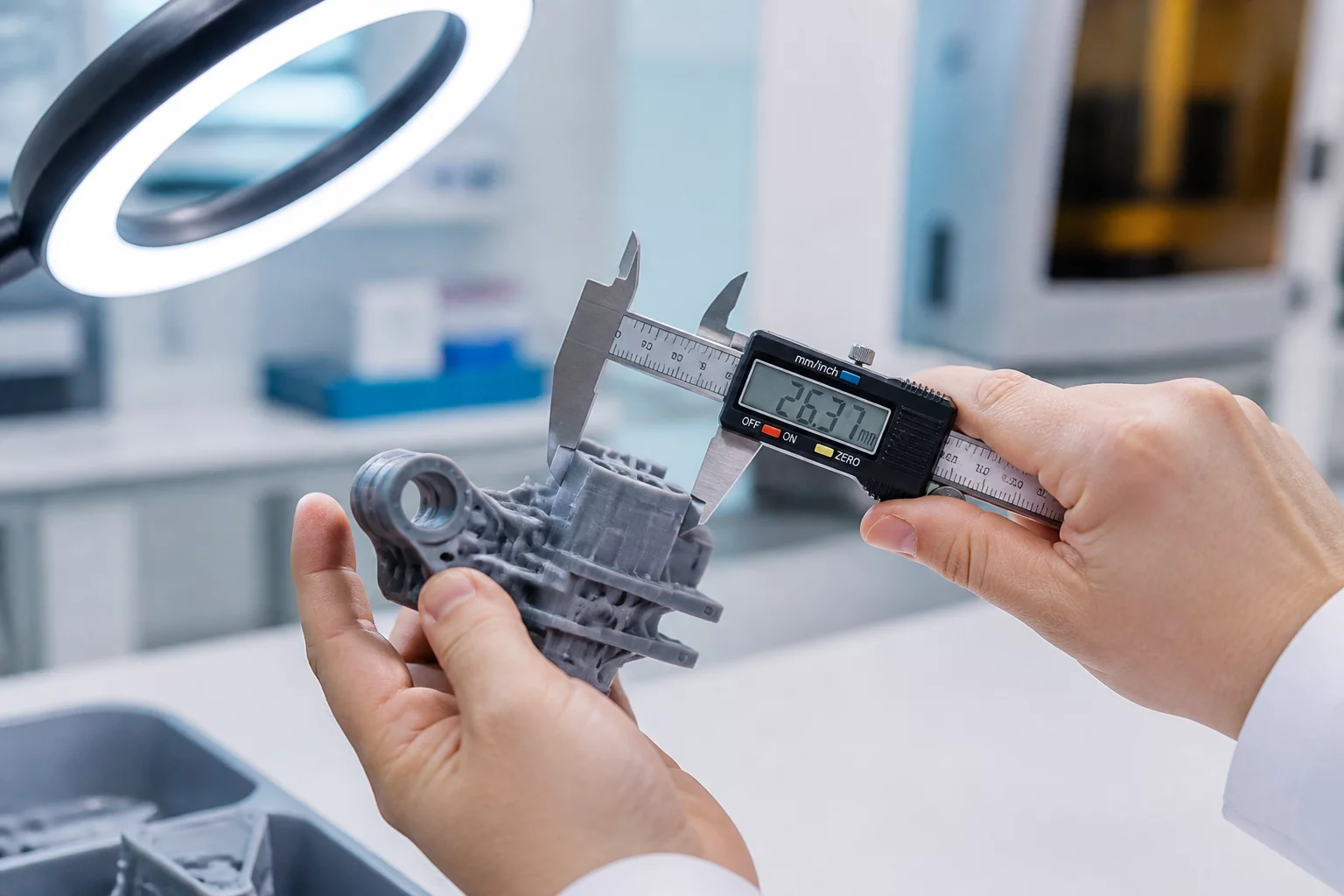
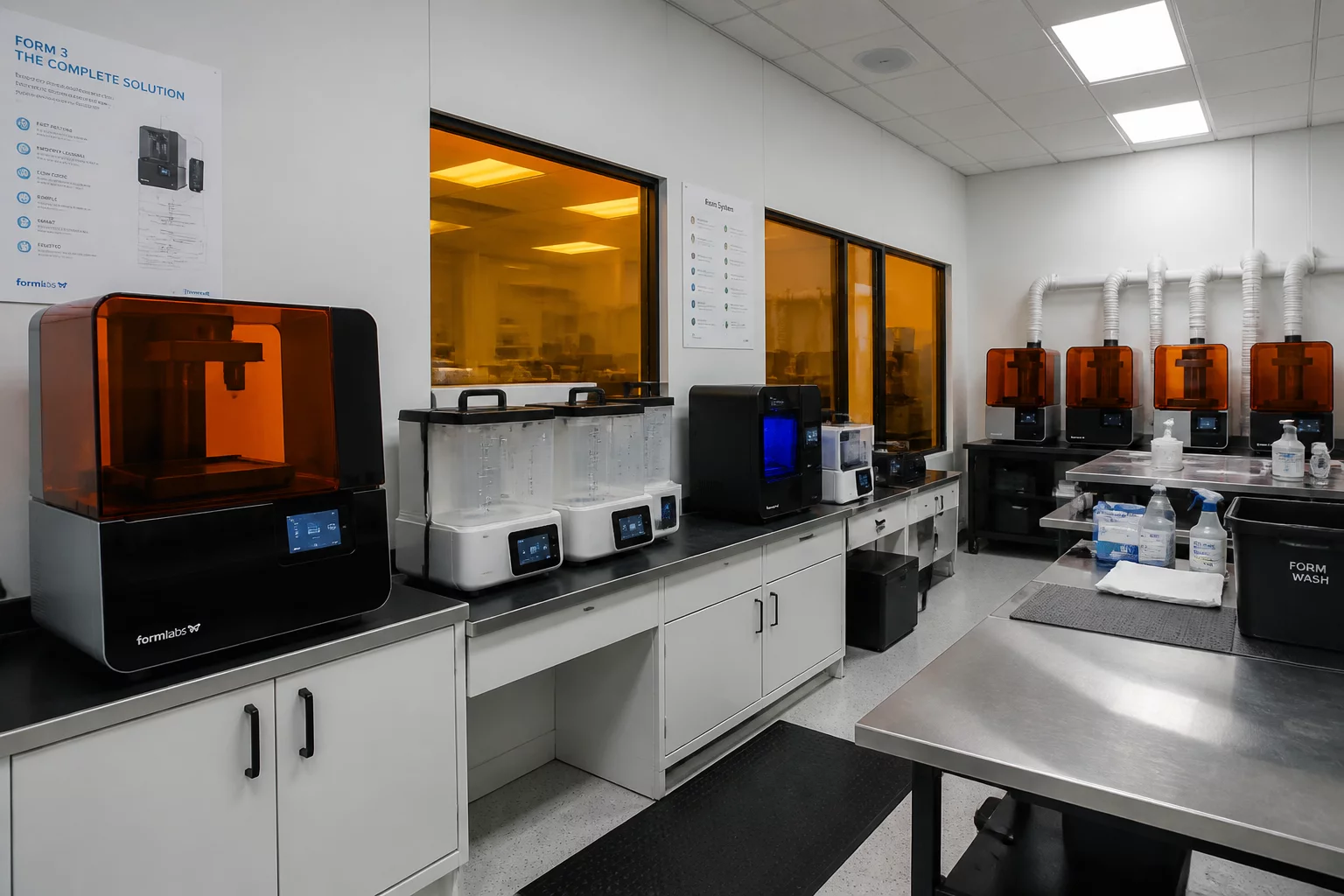
Where we test calibration matrices, print high-temperature resins like Tethon 3D C-Lite, and measure shrinkage rates under controlled environmental conditions.
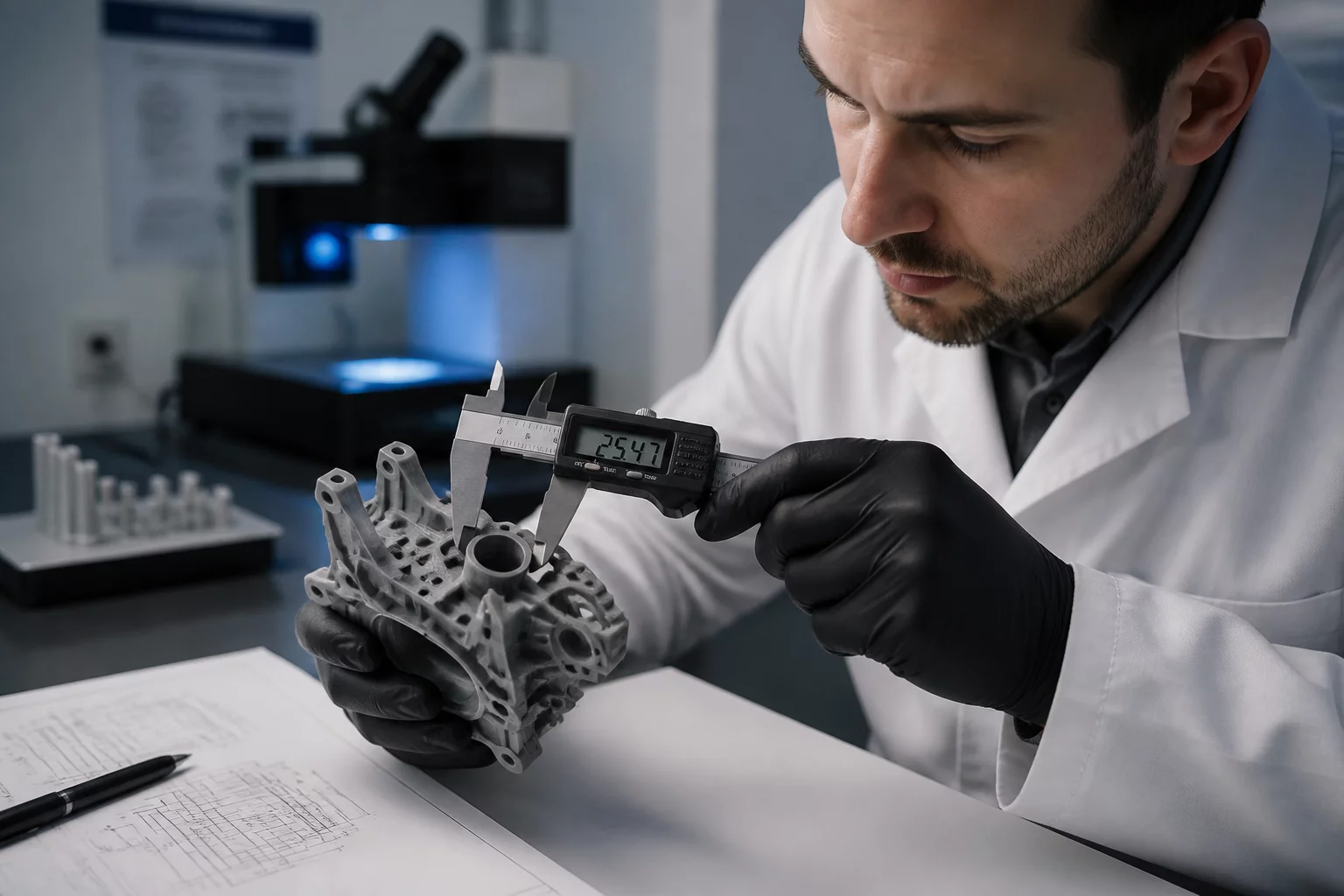
Equipped with digital micrometers, optical microscopes, and UV light chambers to verify feature resolution and surface consistency of every printed batch.
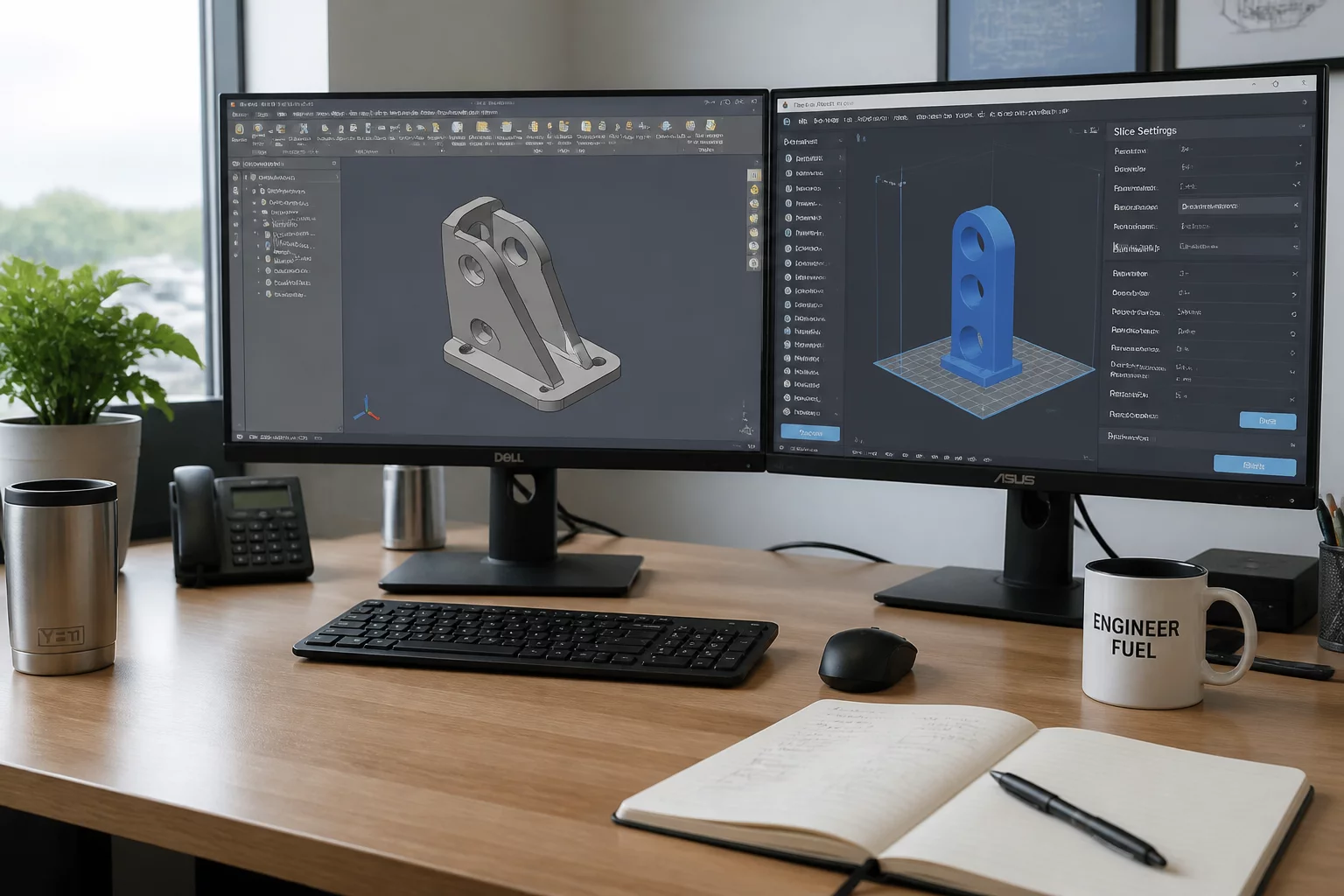
Our engineering team gathers to define standard acceptance criteria, comparing slicing profiles in CHITUBOX to optimize outcomes for complex geometries.
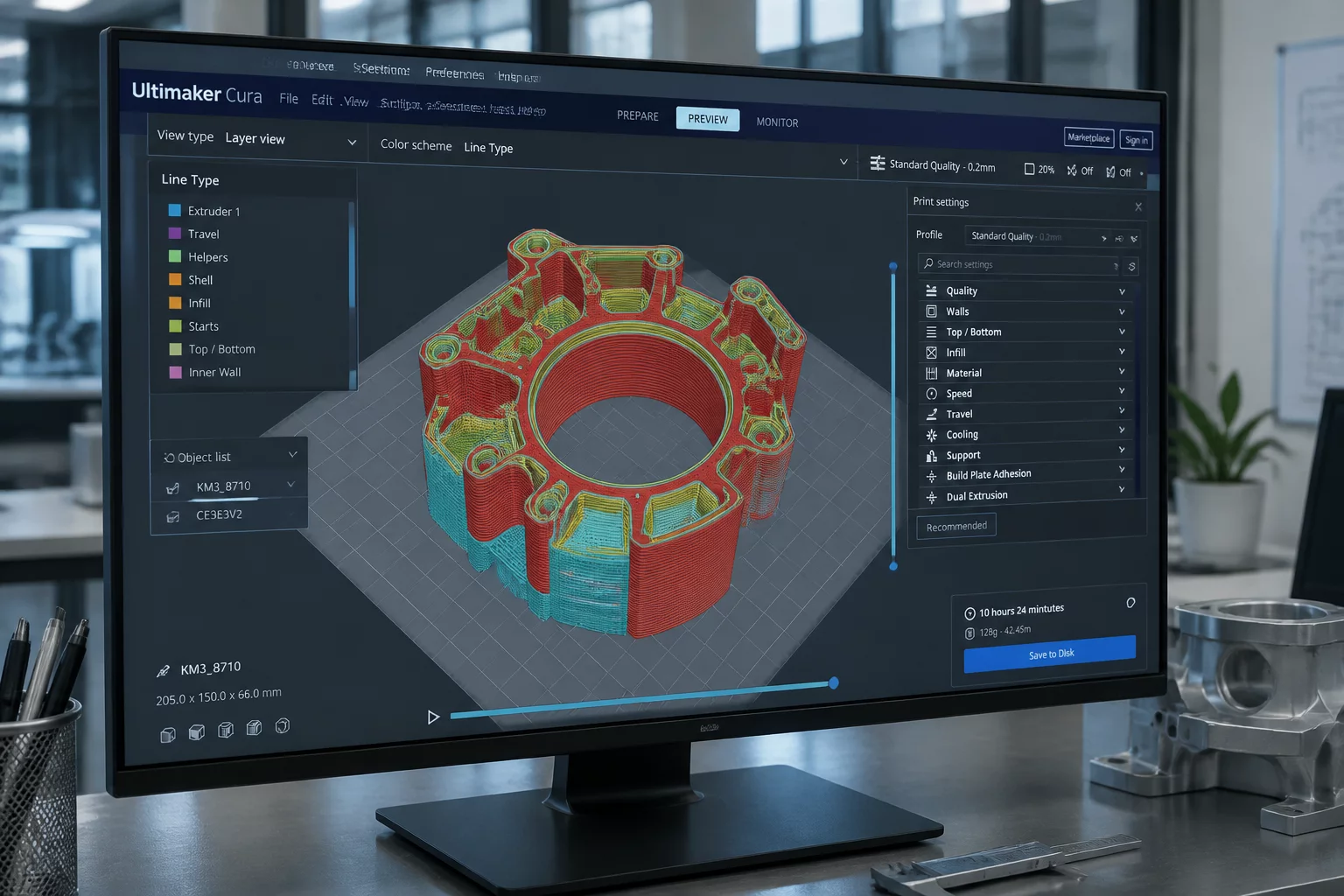
The digital heart of ResinCriteria, where we draft guidelines, analyze print failure logs, and compile our comprehensive handbook resources.
We help engineering and production teams across the globe define strict pre-evaluation criteria for resin parts. Through digital file inspections and standardized physical sample testing, we ensure your prints meet quality standards before final production.
Upload your CHITUBOX slice files or 3D models. Our remote experts evaluate support placement, feature resolution, and potential failure points digitally.
For advanced materials like Tethon 3D C-Lite, print and ship standard calibration benchmarks to one of our regional validation hubs.
Receive a comprehensive digital report detailing dimensional accuracy, curing uniformity, and acceptance recommendations.
Choose a region to view active hubs, average shipping transit, and support availability.
Discover how a leading aerospace prototyping team eliminated production guesswork by establishing clear pre-evaluation criteria before final curing cycles.
The team faced a 34% rejection rate during assembly due to undefined dimensional tolerance limits and post-curing warping on critical components.
Implemented standardized slicing profiles in CHITUBOX v3.1.0 and calibrated post-curing cycles specifically for high-temperature materials like Tethon 3D C-Lite (heat resistance up to 225 °C).
A predictable, repeatable verification method that ensures parts meet strict tolerances before they reach the final post-processing phase.
Stop guessing if your parts are ready. Use concrete, measurable standards to inspect, verify, and hand off resin components with absolute confidence.
Get exact UV exposure and thermal parameters to prevent warping, cracking, or brittle defects before your parts reach final assembly.
Establish a shared inspection vocabulary to align designers, QA teams, and clients on acceptable surface finishes without subjective disputes.
Apply optimized parameters for supports, orientation, and layer heights in CHITUBOX to resolve fine, micro-scale features correctly on the first run.
Define strict tolerance thresholds and measurement protocols to ensure mechanical parts fit together perfectly without manual post-processing.
Step-by-step procedures to align your team on resin part quality, post-processing, and hardware parameters before final evaluation.
Learn how to configure slicing profiles, verify functional criteria, and address limitations in CHITUBOX v3.1.0/v3.2.0/v3.3.0.
Best practices for handling and handing off delicate, complex resin print structures without causing micro-cracks or damage.
Distinguish between non-critical surface blemishes and structural failures that compromise the mechanical integrity of your resin parts.
Preparation workflow for specialized high-temp materials like Tethon 3D C-Lite with heat resistance up to 225 °C and exact curing cycles.
Try adjusting your keywords or selecting another category.
Define the essential categories that every resin part must pass before final acceptance and handoff.
Verify thin walls, micro-channels, and delicate geometry survive printing and post-processing.
Assess finish quality, layer line visibility, and cosmetic blemishes against agreed standards.
Confirm printed dimensions fall within defined tolerance bands for functional fitment.
Identify and protect thin sections, overhangs, and delicate features prone to cracking or breakage.
Evaluate support scars, layer lines, and tooling marks against acceptable visibility thresholds.
Ensure repeatable quality across multiple print runs with consistent color, dimensions, and surface finish.
Define clear, objective thresholds that automatically trigger part rejection without subjective debate.