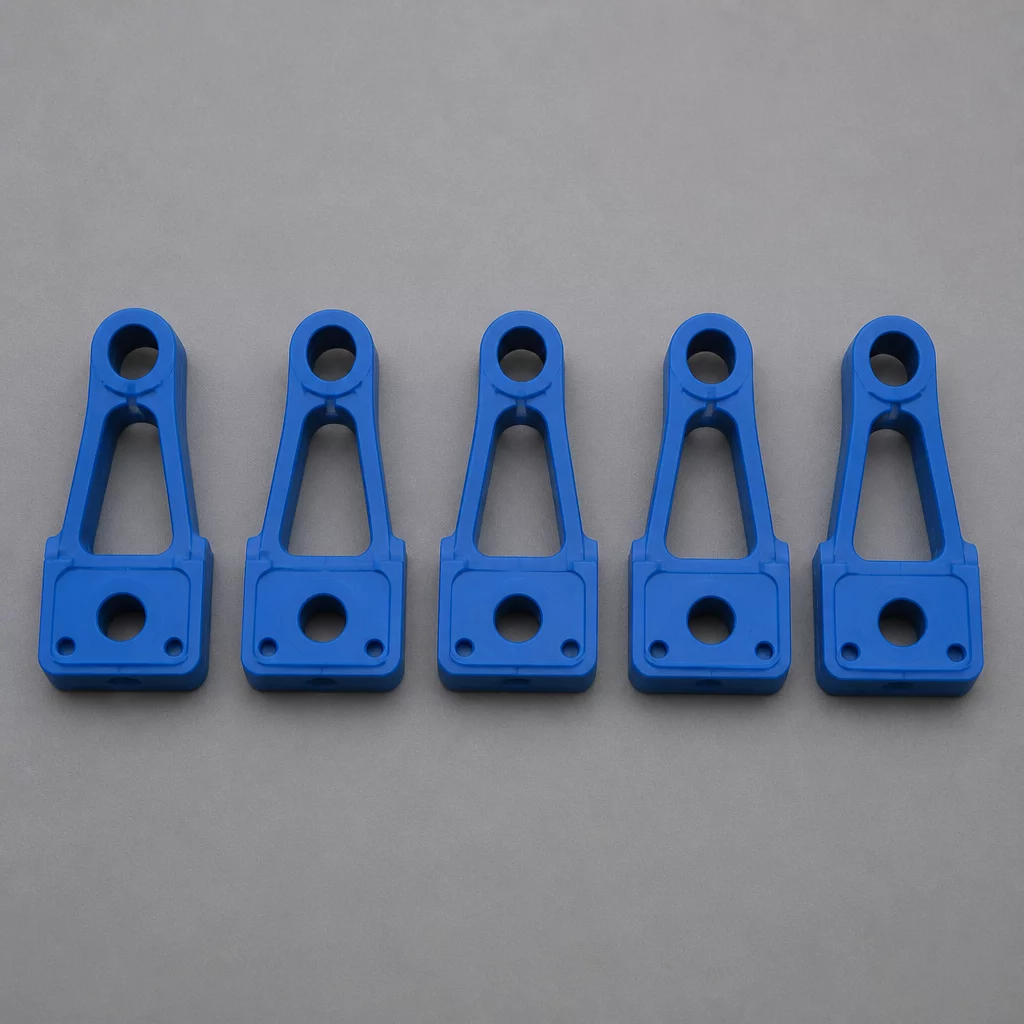
Defining acceptance standards for color tone uniformity, batch-to-batch variation, and pigment stability in photopolymer resins.
Color consistency is a critical visual and functional criterion in 3D printing, especially when producing end-use parts or multi-component assemblies. Variations in color often point to underlying chemical deviations, incomplete mixing, or varying degrees of UV post-curing. To prevent differences in hue and opacity across production runs, teams must implement strict validation checks.
Liquid resins must be thoroughly agitated prior to pouring, as pigments tend to settle over time. Additionally, exposure to ambient light and temperature during the printing process can trigger premature degradation, leading to yellowing or shifting tones. By setting clear standards, manufacturers ensure that parts from different batches match seamlessly when assembled.
Core Evaluation Objectives
Establishing criteria prior to printing prevents subjective rejection loopbacks. When using unified slicers like CHITUBOX v3.1.0 (or basic editions), clear threshold parameters must align directly with the material characteristics. For instance, high-temperature formulations like Tethon 3D C-Lite require adjusted tolerances due to thermal expansion profiles up to 225 °C.
- Always perform dimensional calibration before batch inspection.
- Maintain uniform post-curing UV distribution to ensure physical integrity.
- Track feature deviations against structural limits defined below.